
Pinned

Two Months Into Building a Startup, Four Lessons I Learned
Two months into building Posting Machine, I learned four lessons about compounding networks, customer-led sales, automation, and focus.
I’m Hank. I work on growth and operations at early-stage startups, with a background in VC. I am currently based in London and grew up in Taiwan. I write to think clearly about startups, technology, ambition, and building a meaningful career. Long term, I want to build my own company, and I am always interested in meeting thoughtful builders, partners, and friends along the way. This blog is me thinking out loud, learning in public, and sometimes realizing I have no idea what I am doing but doing it anyway.
You can find me on LinkedIn and Medium, or email me at hank881202@gmail.com
Two months into building Posting Machine, I learned four lessons about compounding networks, customer-led sales, automation, and focus.

A first note on life in London: the privilege of living in one of the world's centers, the encounters of immigrant life, and slowly finding myself in a foreign city.

A life-changing book for people who want to build something…

The difference between ornate old buildings and modern apartment blocks may not be aesthetic decline, but civilization moving from serving the few to serving the many.
Two things I look for in every hire: smart and hungry. What that actually means, how it shows up differently by role, and the one question I ask myself after every interview.

A few days in Barcelona: sunlight, music, streets full of life, and the clarity that sometimes only arrives when traveling alone.

Reflections on my first ten days in London. The cold weather, cold food, expensive prices, and beautiful architecture. Free museums and art everywhere. Meeting new friends in the Taiwanese community abroad. Everything feels like it's moving in the right direction.
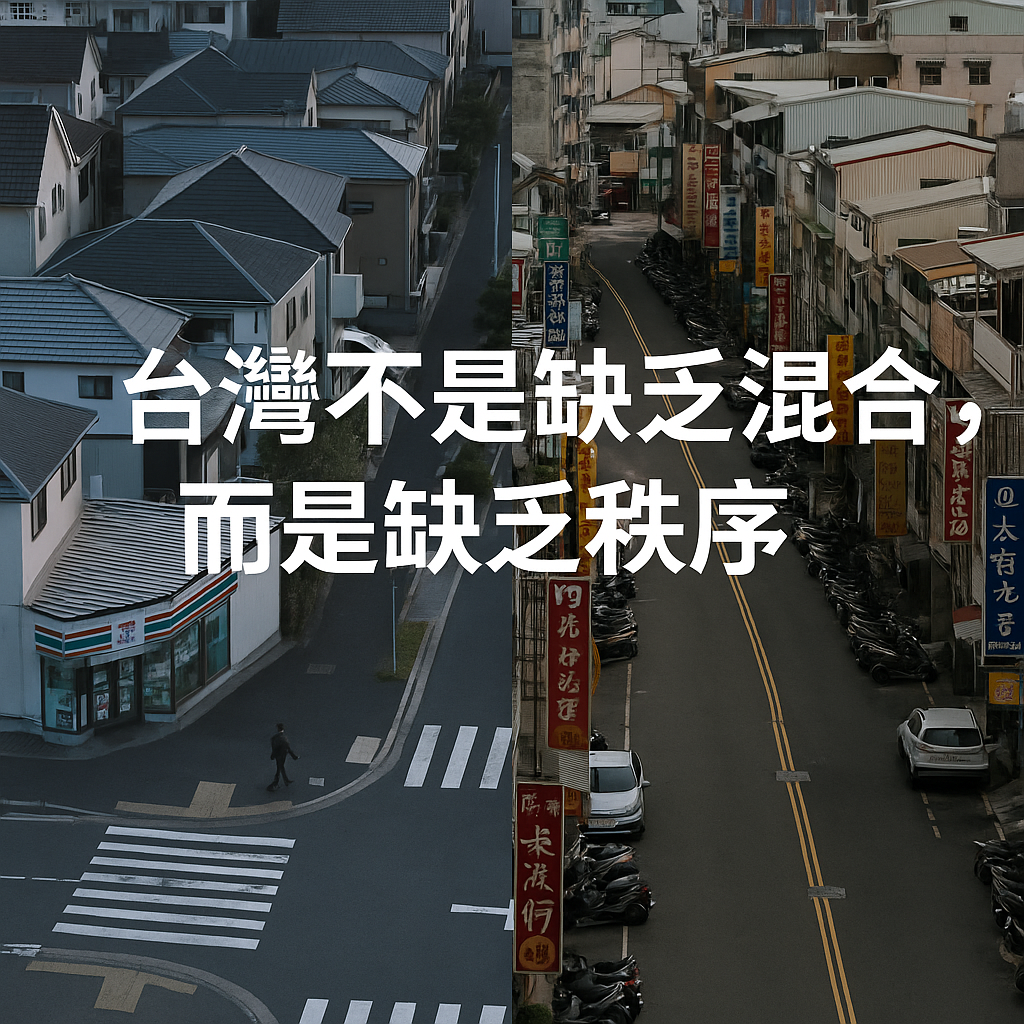
Walk through a Tokyo neighborhood and you will see barber shops, homes, cafes, and clinics standing side by side. Even at very high density, the streets remain clean and legible. In Taipei, similar scenes often feel crowded and chaotic. The difference is not just about development stage, but about institutions, culture, and economic logic.

When AI Becomes Your Pair Programming Partner: From Can't Code to Can Direct AI to Code
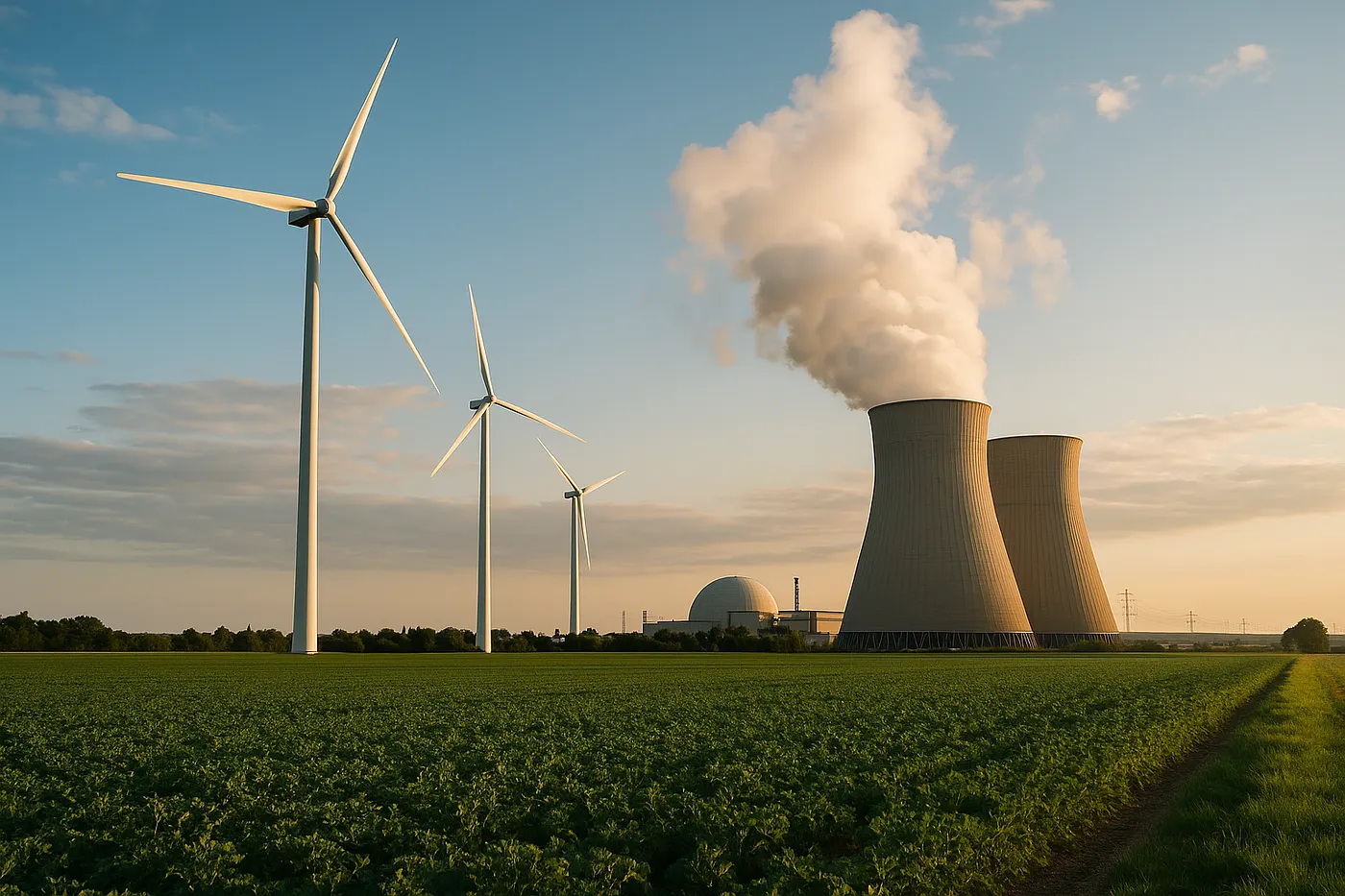
In 2021, I wrote an essay on Taiwan's energy transition using international power mixes as a reference point. Four years later, the global energy landscape, technology costs, and policy attitudes have all shifted, and Taiwan now faces a new crossroads.
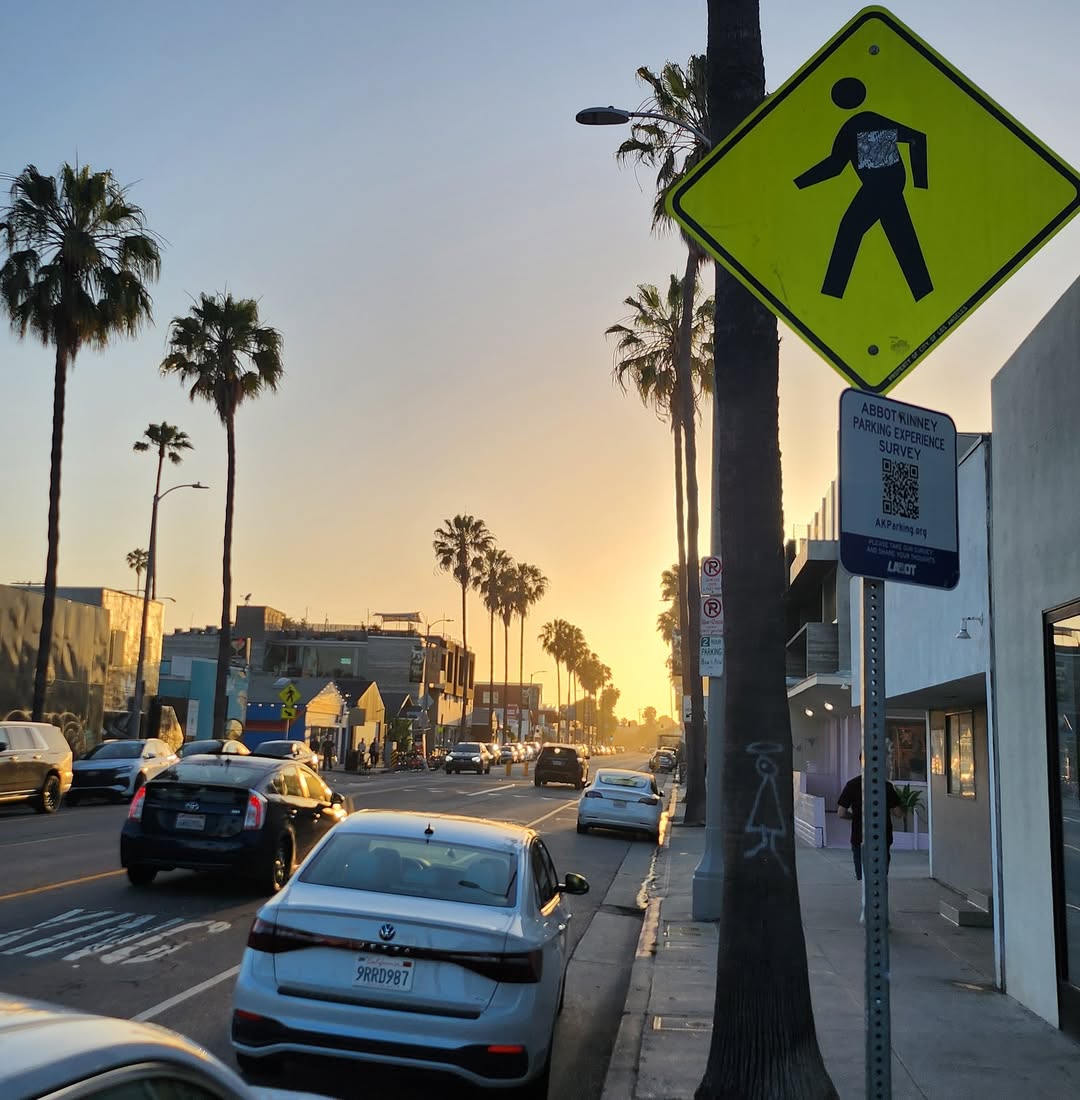
My first time in the United States. From LA's dusty mountains to Santa Monica's pink skies. From self-driving Cybertrucks to meaningful customer feedback. Reuniting with old friends abroad, finding purpose in work, and reflecting on Taiwan-US distance and turning thirty.

This article is originally published before the 2020 Presidential Election, and I've added some retro reflections at the end of the article.

Written right after reading “Outliers” — raw and unedited, just a spontaneous reflection.

(This post was written originally in 2020 and was inspired by Paul Graham’s article “How to Make Wealth.”)

In the years when Hong Kong's cultural exports still carried real force, Cantonese films traveled across the sea in dubbed voices, while its streets and faces became instantly recognizable far beyond the peninsula.

Joining a startup as Chief of Staff was less about having the answers and more about turning chaos into systems that actually work.

Work only counts when force meets the right direction — this is as true for careers as it is in physics.

Near the end of military service, I started rethinking my habits and mental models. Four months felt painfully long, and the experience pushed me into reflection on authority, education, AI, productivity, and how knowledge gets packaged.

Even though I spent less than a quarter of my four university years actually on campus, and my connection to NTU was often more formal than real, I still remain grateful for the perspective and confidence that university gave me.

Every year brings a new startup craze and a new narrative for hot money to chase. Market corrections are often the best chance to look past hype and focus on companies building real foundations.

Taiwan's energy debate intensified around the referendum on the third LNG terminal, algal reefs, and the restart of Nuclear Plant No. 4. This article steps back from slogan-level arguments and looks at the overall structure of energy policy.

A reflection on nearly a year at Hive Ventures, from the early excitement and confusion to due diligence, market research, and the slow formation of an investment framework.
COVID changed nearly every industry in 2020. This article looks at fintech through data and business models to understand what shifted during the pandemic and what may define the post-pandemic era.

A reflection on my internship at GoFreight, from why I chose startups and GoFreight to what the work actually involved, what I learned, and what I would say to future interns.
A business-side introduction to C3.ai covering its pain points, products, go-to-market strategy, financial profile, competitive advantages, and future outlook.

Based on For Entrepreneurs' HubSpot sales case study, this article summarizes the key ideas and adds my own perspective in order to introduce a strong example of scalable B2B SaaS sales execution.
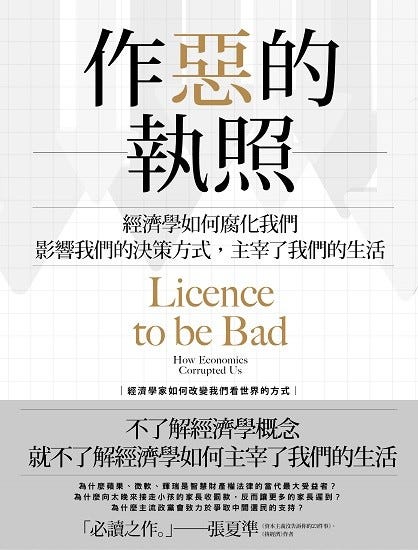
Since the 1950s, economic thinking has expanded into many domains beyond economics itself. This essay discusses how some influential economic assumptions reshape moral judgment, social behavior, and public life.

When Taiwan introduced its Triple Stimulus Voucher program, public debate focused on whether it would actually work. This article uses the policy to explain several economic concepts behind voucher-based stimulus.

Banks once treated user data and financial data as some of their most valuable assets. Open banking emerged as a way to use technology to make financial services more open, convenient, and user-friendly.